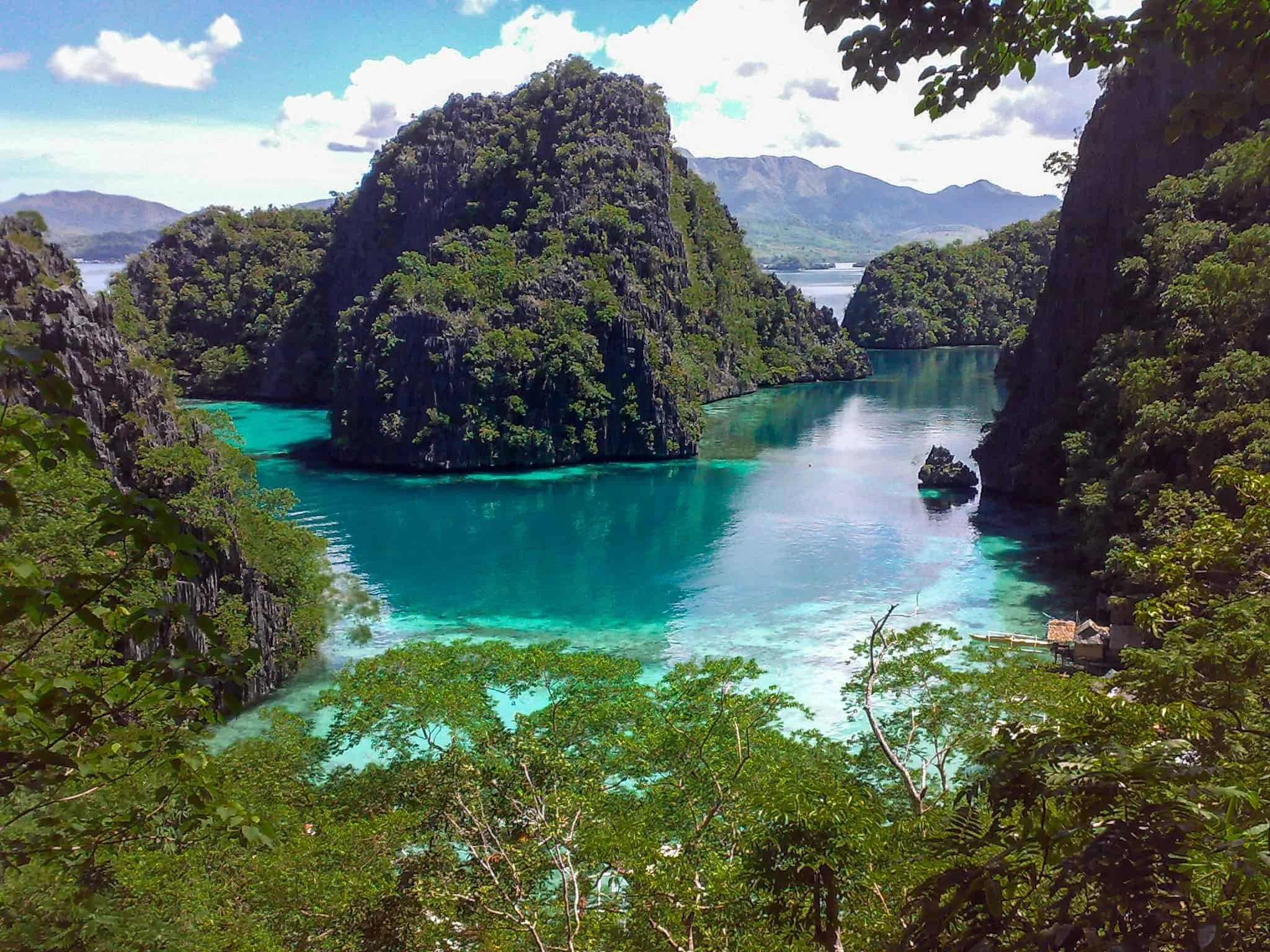
Philippines
Japan Travel Guide
Japan was one of our dream destinations, and we finally had the chance to explore it on an 11-day, 10-night winter trip. We visited Tokyo, Osaka, Kyoto, and Sapporo, trying local food, exploring different neighborhoods, and experiencing Japan during the colder months.
This page brings together our Japan DIY travel guides, hotel stays, food finds, and practical tips. If you're planning your first trip, start here and explore the city guides that fit your itinerary.
Japan Destinations
Here are some of the destinations I've visited and covered in this site.
Tokyo
Baguio
Tokyo has a mix of modern neighborhoods, shopping districts, traditional shrines, and food spots. Browse our Tokyo DIY guide and individual neighborhood guides to plan your days.
Beach trips, resorts, diving and weekend getaways from Manila.
Staycations, food trips around Tagaytay, Silang, Alfonso.
Food trips, coffee runs and a relaxed day out.
Rizal
Day trips, cafés, restaurants and places to explore around Antipolo and nearby areas.
Remote Islands, pristine beaches, world famous tourist destination.
DIY travel guide, beach-hopping, attractions.
DIY island trips, beaches and exploring the islands of Romblon.
Spelunking, hanging coffins, hiking and food trips
Beach resorts, road trips and laid-back coastal destinations.
Visayas
This is a list I curated for the best places to visit in Visayas region
Cebu
Travel guides, beaches, food trips and island adventures around Cebu.
Bohol
Beaches, resorts, food and things to do around Bohol.
Family travel, Island hopping, attractions and food trip.
DIY travel guide, attractions and things to do.
A hidden gem known as the land of waterfalls and caves.
Mindanao
Durian Capital of the Philippines, Things to do, Island trip.
Short DIY Travel Guide, Attractions.
DIY Travel Guide, Activities and Attractions.
Beaches, Adventures and Activities
The Philippines has no shortage of beaches and outdoor destinations. These are some of the places and experiences I've covered.
Hidden Gems Near Manila
These are places near Manila that you probably didn’t know.
Waterfalls
Want to chase waterfalls? Here’s the must-visit waterfalls in the Philippines.
Adventure
Feeling a little adventurous? Here’s the must-try activities in the Philippines.
Philippine Wildlife
Here’s a list showcasing Philippines rich biodiversity in their natural environment.
Hotels & Resorts
Where we stayed is also part of the trip. Browse our hotel and resort reviews, including beach resorts, staycations, family-friendly stays and other accommodations we've personally experienced.


Food
Food is always part of our trips. From local restaurants and food spots to cafés and food trips, here's where you can find the places we've actually tried around the Philippines.
Restaurants
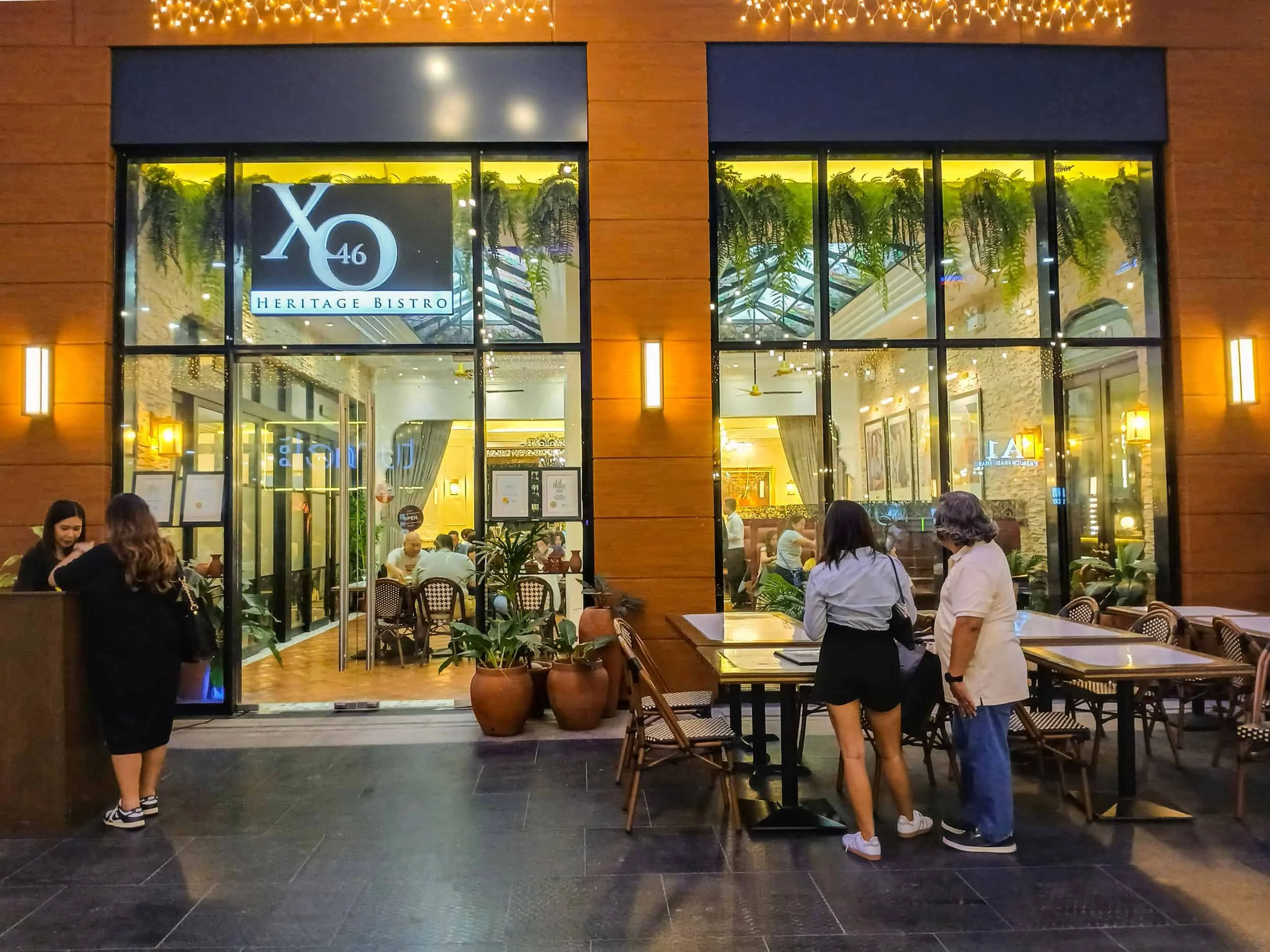
Restaurants and local food spots we've visited.
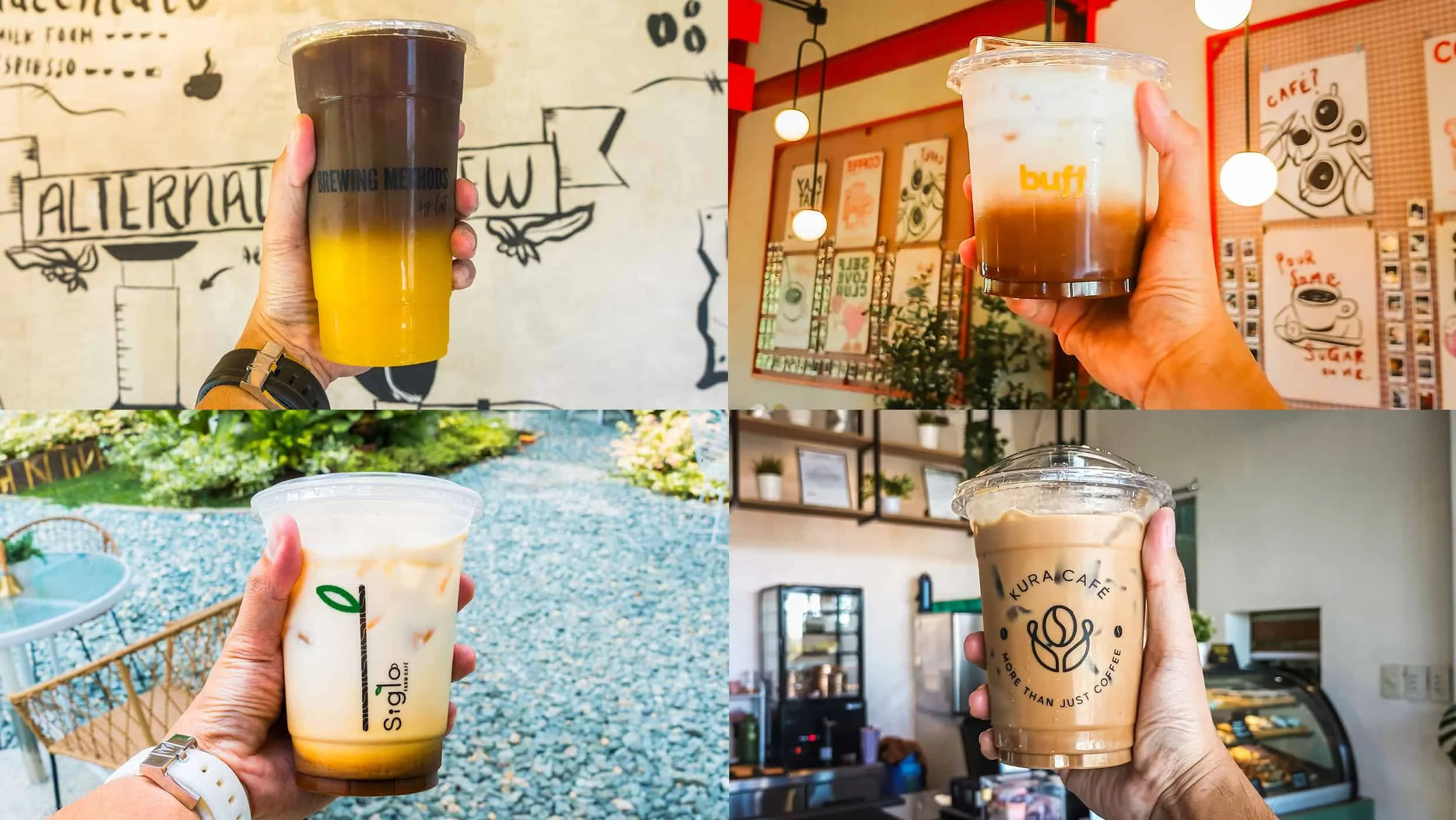
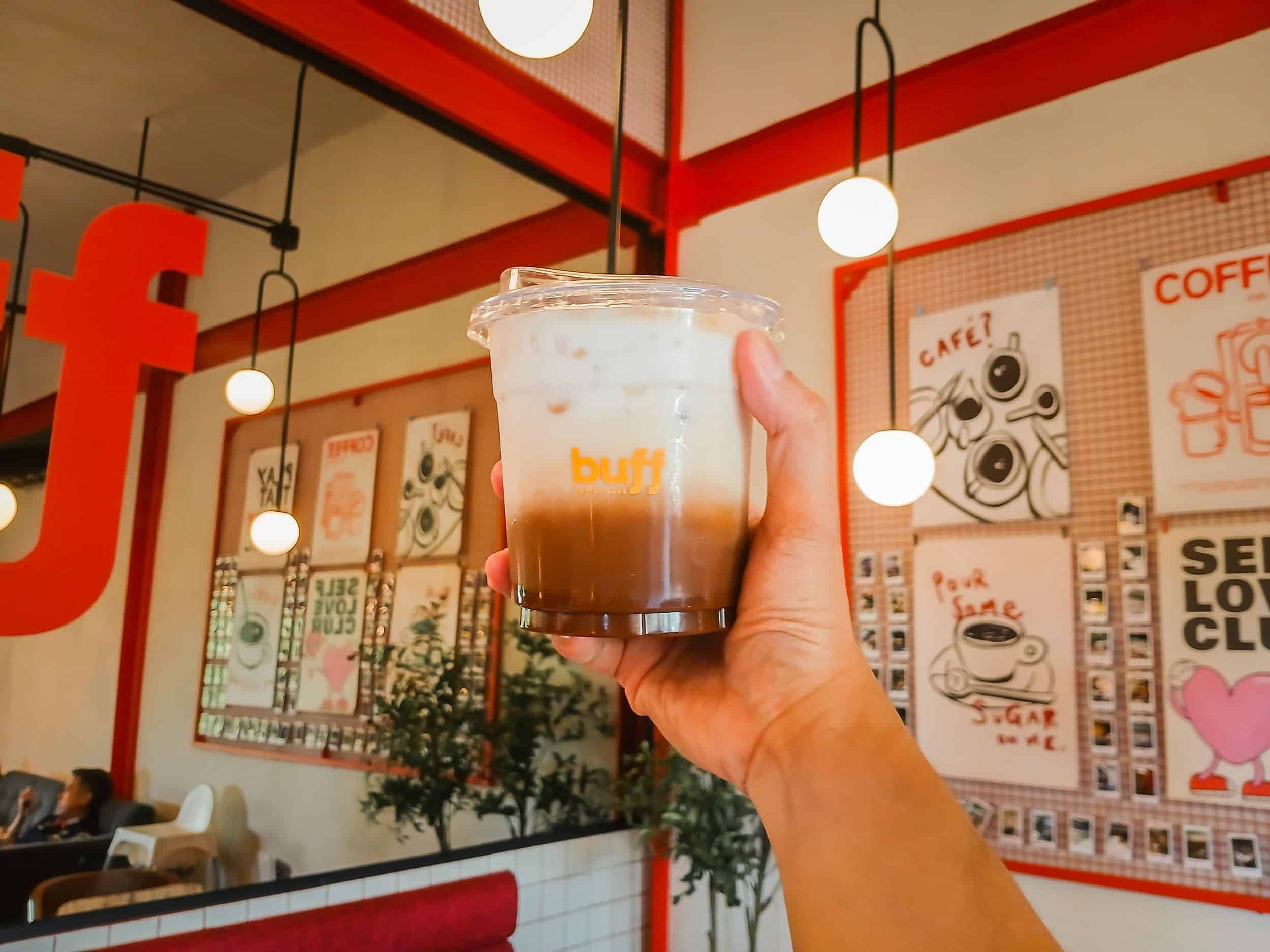


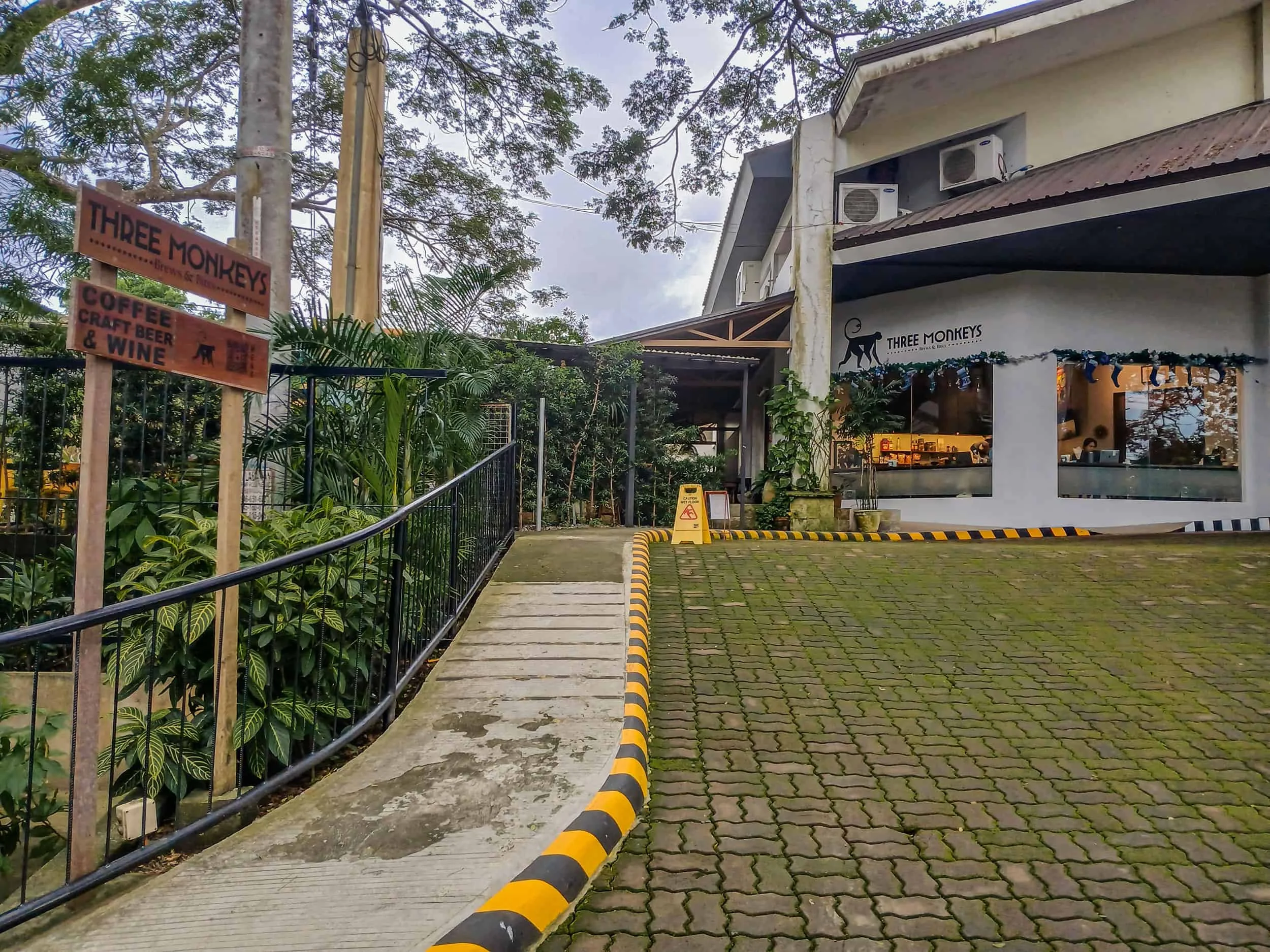




Coffee Shops and Cafes
Coffee shops, cafés and places worth checking out.

Philippine Travel Guide FAQ
-
The Philippines is a tropical country with two seasons: wet and dry season. The dry season lasts from November to May, while wet season runs from June to October. Most destinations in Philippines are open year-round, but some may require proper timing, like festivities, surf season, and other seasonal activities.
My favorite time to explore Philippines is December to February, during these months, the weather is cooler and more pleasant from traveling in a tropical country. Also note that during Christmas season, there are places that can get quite crowded like Manila, Baguio and Tagaytay. -
Getting around the Philippines can be a bit complex, as there are several mode of transportation available.
In Manila, you can ride jeepneys, buses, taxis, tricycle and more. It is also common to use Ride-hailing apps like Grab and Angkas. Standard rate applied to all public transport.
While traveling to provinces may require you taking a plane, a ferry or bus.
Most provinces doesn't have taxis or Grab, the only way to explore is by commute or hiring a van, jeepney, boat or trike. Commuting is much cheaper because you'll pay the standard rate, but is time consuming and challenging. If you go with option of renting a transport, be aware that there is no fixed rate. To avoid overpaying, ask around first before making a deal. Usually, in this option, the driver also acts as the tour guide. -
The Philippines is a tropical country that is hot and humid even in cold season. It is ideal to wear light and loose clothing. Exploring places will also require long walks, so be sure to wear comfortable footwear such as sneakers, rubber shoes, sandals or flip-flops.
Traveling with a Baby in the Philippines
I'm a big believer in letting babies experience the outdoors early, whether it's enjoying fresh air, seeing new places, or spending time in nature. But as parents, we also need to consider our baby's comfort, health, and safety when planning a trip.
The good news is that traveling around the Philippines with a baby is manageable with a bit of preparation. The experience, however, can vary depending on where you're going. Traveling around Metro Manila or a major city is different from exploring a remote beach, a small island, or a destination far from the nearest hospital.
-
Major malls and many hotels in the Philippines have family-friendly facilities, including nursing or lactation rooms and baby-changing stations. However, don't assume that every establishment has them. Some restaurants, tourist attractions, and public restrooms may have limited facilities or none at all.
If you're traveling with an infant, it's worth checking with your hotel or the places you plan to visit ahead of time. I also recommend bringing a portable changing mat, diapers, wipes, and an extra set of clothes so you're prepared when a proper changing station isn't available.
-
Major cities and popular tourist areas generally have access to hospitals, clinics, and pharmacies, but the options can be more limited in remote destinations and smaller islands. Some pharmacies operate 24 hours, although this isn't something you can count on everywhere.
Before leaving, pack your baby's usual essentials, including any medication recommended by your pediatrician. For longer trips, especially those involving island transfers or remote areas, it's better to prepare in advance than to rely on finding everything at your destination.
-
A stroller is useful for malls, airports, hotels, and destinations with smooth, accessible pathways. However, it can be inconvenient when using public transportation, navigating crowded areas, or exploring places with stairs, uneven roads, and limited sidewalks.
For these situations, a baby carrier can be a more practical option. If your itinerary includes road trips, beaches, nature spots, or island-hopping destinations, consider bringing one alongside your stroller if you have room. Just make sure your carrier is suitable for your baby's age and size, and take breaks to keep your baby comfortable.
-
If your baby drinks formula, plan ahead for safe water and proper preparation. Don't assume that tap water, bottled water, or distilled water is automatically suitable or sterile for every infant. Follow your pediatrician's advice, particularly for young babies.
If you're staying in a hotel or resort, ask about access to safe drinking water and facilities for preparing and cleaning feeding equipment. For longer trips, it's also helpful to bring enough of your baby's usual formula and feeding supplies rather than relying on availability at your destination.
-
One lesson we've learned from traveling as a family is that an itinerary that works for adults may not work as well for a baby. Long drives, hot afternoons, crowded attractions, and packed schedules can make a trip more tiring than expected.
Whenever possible, leave room for feeding, naps, diaper changes, and rest. Check the weather, confirm your accommodation's baby facilities, and know where the nearest medical facility is before heading somewhere remote.
You don't have to see everything in one trip. Sometimes, a slower itinerary with fewer stops makes the experience more enjoyable for everyone.
My tip: Start with destinations that are easy to reach and have accessible accommodation and medical services. Once you get a feel for traveling with your baby, you can gradually explore places that require longer drives or more planning.
Plan Your Trip
These are the apps I actually use, when I plan my trip around Philippines:
What I Bring When I Travel
Curious about the cameras, gadgets, travel essentials, and family travel gear I actually use? Check out my complete Travel Gear & Essentials, featuring products I've personally used and tested on our trips.
Where Are You Going Next?
The Philippines is just one part of our travels. Explore our other destination guides for DIY trips, food, hotels, itineraries, budgets, and practical tips from our actual experiences.
Luxury Beach Resort in Botolan, Zambales.